

Diagnose Low Water Pressure in NZ: 200 kPa Benchmark, DIY or Plumber


Most homes in New Zealand should receive at least 200 kPa of pressure and 25 litres per minute of flow. If your pressure sits well below that, start by checking your local outages map and your water meter valve. If an outside tap runs strong but inside taps are weak, the problem is inside your home, not the network.
TL;DR:
Water pressure below 200 kPa and 25 liters per minute indicates a likely network fault or planned maintenance affecting your area.
If outside taps run normally but indoor fixtures are weak, the cause is probably within your home plumbing, such as a leak, airlock, or clogged aerator.
Checking your isolation valve, running the flushing sequence, and cleaning tap fittings can resolve most simple low-pressure issues.
Fixing persistent problems often requires replacing old hot water cylinders or corroded pipework, which may need licensed plumbing work and council consent.
Regular maintenance of hot water systems, including valve checks and compliant upgrades, helps prevent recurring pressure problems during renovations or aging infrastructure.
Table of Contents
Quick checklist: things to try right now
Before you call anyone, work through these checks. Many low-pressure complaints trace back to something simple that you can fix in a few minutes.
Check your council or Watercare outages map for planned works or faults in your area.
Turn on an outside tap. If it runs at full strength, the issue sits inside your home.
Find your water meter and confirm the isolation valve is fully open.
Watch the meter dial for a few minutes with everything off. Movement points to a leak.
Run the flushing routine described below to clear sediment and airlocks.
Unscrew and clean tap aerators and showerheads, since these clog easily in hard water areas.
Swap an old showerhead for a modern efficient one if flow still feels weak.
Common causes and how each one shows up
Low pressure has a handful of usual suspects, and the pattern of symptoms usually points to the cause.
Network issues: planned works or a fault on the main can drop pressure suddenly, often across a whole street. Watercare’s service target is 200 kPa and 25 L/min for a standard residential meter, so a sustained reading below that is worth reporting.
Valve or meter problems: a partly closed isolation valve or a faulty pressure-reducing valve (PRV) restricts flow to the whole house.
Leaks: a meter that keeps ticking over with every tap closed, or damp patches on walls and under floors, usually means a private-side leak rather than a network problem.
Airlocks, blocked aerators and sediment: older galvanised pipework collects sediment over the years, and trapped air can cause spluttering or intermittent drops.
Low-pressure hot water cylinders: if only the hot taps are weak, the cylinder itself is often the limiting factor rather than the mains supply.
One figure worth remembering: Watercare’s own service standard sets 200 kPa and 25 L/min as the expected minimum for a residential property, which gives you a benchmark to compare against when you’re troubleshooting.
How to run a step by step diagnosis
Work through these checks in order. Each one narrows down where the problem sits.
Check outage maps and local notices first, since a network fault or planned works explains a lot of sudden drops.
Test an outside tap. Strong flow there but weak flow inside means the fault is in your private plumbing.
Locate the water meter, confirm the isolation valve is open, and watch the dial with all taps closed to check for a hidden leak detection and plumbing leak repairs.
Flush your pipes using the council-recommended sequence: run the outside tap, then laundry cold tap, then all cold taps, then kitchen hot tap, about one minute at each.
Compare hot and cold flow at the same tap. If cold is fine but hot is weak, the cylinder is the likely cause.
Pro Tip: Run the outside tap for the full minute the flushing guide recommends before judging the result, since a short burst can look weak even when the line is clear.
Practical solutions, from DIY fixes to major repairs
Many low-pressure problems respond to a straightforward fix, while others call for a licensed plumber or a broader upgrade.
DIY fixes: clean or replace clogged aerators, fit an efficient showerhead, tighten or replace a worn isolation valve, and check the inlet filter and hoses on your washing machine.
Airlocks: these often clear by running the flushing sequence above, but a stubborn airlock in a hot water line is best left to a plumber.
Intermediate fixes: a faulty PRV or corroded section of pipework usually needs a licensed plumber to diagnose and replace.
Major upgrade: swapping an old low-pressure hot water cylinder for a mains-pressure model often solves persistent hot-only pressure complaints for good.
Costs in Auckland vary with the job. A supply-only part such as an aerator or showerhead costs very little, a plumber call-out for a valve or PRV replacement sits in the low hundreds of dollars, and a full cylinder replacement runs into the thousands once installation and any consent work are included. Our plumbing repair cost guide sets out typical Auckland price ranges for these jobs.
Call a licensed plumber or a renovation contractor when you’re dealing with a persistent leak, a large section of pipe needing replacement, or a cylinder upgrade that requires consent. Our guide on avoiding consent delays on a hot water cylinder upgrade covers what to expect before you commit.

Safety and compliance rules you need to know
Hot water systems in New Zealand are governed by Building Code Clause G12, which sets requirements for safe potable water supply, including the materials, fall and discharge location for TPR (temperature and pressure relief) valve drains.
Check that your cylinder’s easing lever operates freely roughly every six months, as G12 guidance recommends.
Never put your hand under a TPR discharge, since the water released can be scalding hot.
If a TPR valve fails to discharge properly, get a licensed plumber to check it rather than attempting a fix yourself.
Any replacement fixture should meet NZ-approved standards, including lead-content limits for materials in contact with drinking water.
A cylinder upgrade may require council consent, and our hot water cylinder upgrade guide explains how to avoid delays.
What years of renovation work teach you about pressure problems
When we open up walls during a bathroom or kitchen renovation, the same three issues keep turning up: an ageing low-pressure cylinder, undersized pipe runs from decades-old plumbing, and corroded fittings nobody knew were there. A piecemeal repair fixes the symptom, but a coordinated upgrade during a renovation often removes the cause for good.
— Rudi
How Sorted Home Solutions handles persistent pressure problems
If cleaning aerators and flushing pipes hasn’t fixed your pressure, the next step is usually a proper look at your pipework or your cylinder, and professional coordination can help manage the process efficiently.
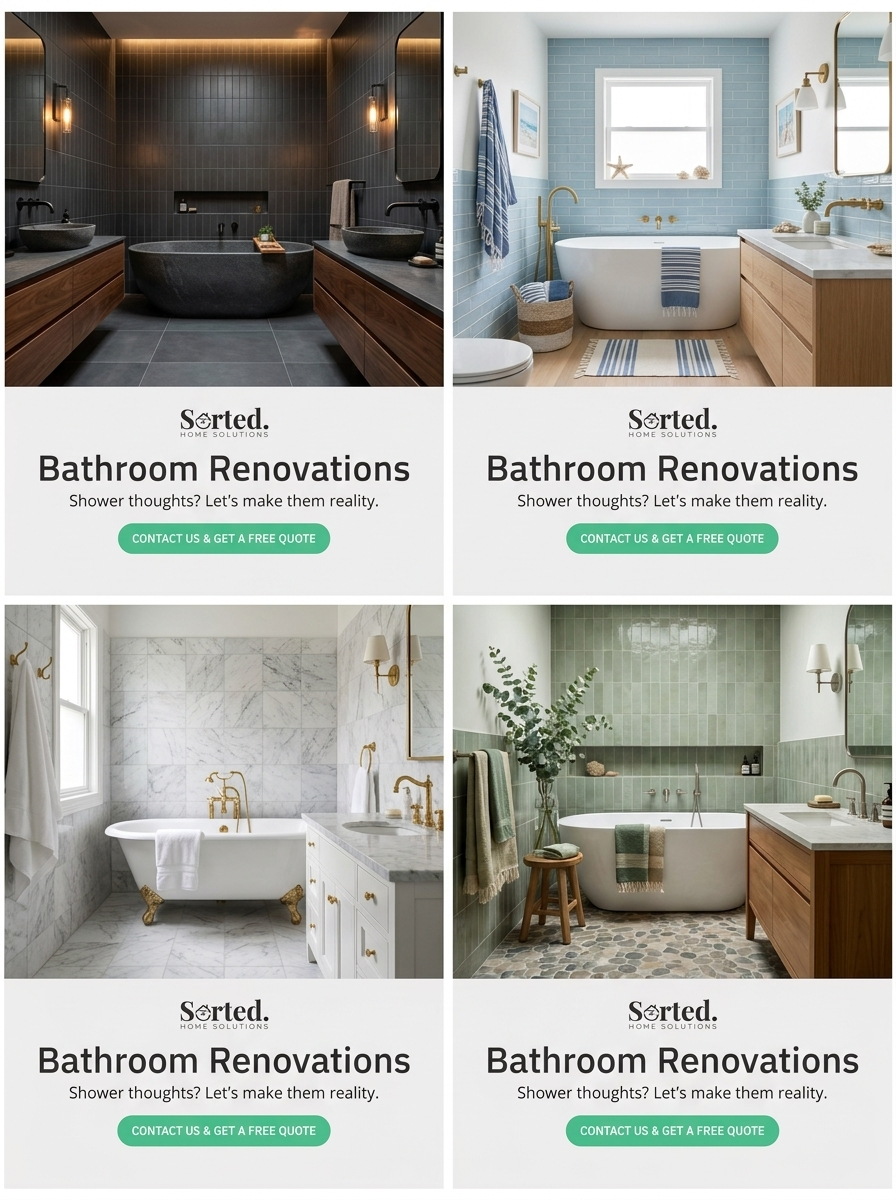
We coordinate hot water cylinder upgrades, general plumbing work and full bathroom renovations under one point of contact.
Licensed trades handle every stage, from consent through to final sign-off.
Fixed-fee quotes for kitchen and bathroom packages mean you know the cost before work starts.
Larger jobs, including pipe replacement across a whole home, sit under our Full Home Reno & Flood Restoration service.
If your pressure issue points to an ageing cylinder or pipework that needs replacing rather than patching, get a fixed-fee quote through our pricing page and we’ll manage the rest.
Sources
FAQ
Why is my water pressure so low right now?
A sudden drop is often caused by a network fault, planned works, or a closed valve on your property. Check your local outages map first, then test an outside tap. If the outside tap runs fine but inside taps don’t, the flushing routine or a check of your isolation valve is the next step.
Is there a water outage in Auckland today?
You can check current faults and planned works on the Watercare outages page, which lists reported issues and expected resolution details. This is always the first place to look before assuming a problem is inside your home.
What is the normal water pressure for a house in NZ?
Watercare’s service standard for a typical residential property is at least 200 kPa of pressure and 25 litres per minute of flow, based on a standard 15 mm meter. If your reading sits well below that consistently, it’s worth reporting.
Why is the water pressure so low in my area?
Low pressure across a wider area usually points to a network issue such as high demand, a fault, or planned maintenance work. Checking your council or Watercare’s outages map will confirm whether others nearby are affected, or whether the problem is specific to your property.
Should I call a plumber or my water provider for low pressure?
Contact your water provider if all taps in the house are affected or the cold supply is weak, since this often points to the network or your meter connection. Call a licensed plumber if only one tap or fixture is affected, as Watercare’s guidance notes this usually means the issue sits in your private plumbing.
Recommended
Comments