

Avoid Rework: 5 Renovation Checks for Built-in vs Freestanding Ovens


Choose a freestanding cooker for flexibility and a lower install cost. Choose a built-in wall oven for an integrated look, better ergonomics and larger usable capacity. Installation and wiring work can shift the final price in either direction, so it pays to check those costs before you commit to either option.
TL;DR:
Freestanding models are cheaper and easier to install, with most plugging into existing sockets, making them ideal for renters and frequent movers.
Built-in ovens provide a seamless look and ergonomic height, but require more complex installation, often involving hardwiring and cabinetry reinforcement.
Usable capacity varies significantly between models, so measuring dimensions and tray sizes against existing cabinetry prevents costly rework.
Electrical work for high-power induction ranges may need a dedicated circuit, so having an electrician evaluate your home’s capacity before purchase is crucial.
Proper planning includes verifying measurements, circuit support, ventilation, and potential building consents to avoid costly delays and reinstallation.
Table of Contents
Quick comparison checklist for fast decisions
If you are scanning for a fast answer, this checklist maps the main priorities to the type that usually wins:
Cost to buy and install: freestanding units are typically cheaper to install because they plug into an existing socket.
Flexibility to move later: freestanding wins. You can take it with you or swap it out without touching cabinetry.
Typical sizes and usable capacity: both come in 60cm and 90cm widths, but usable litres vary by model regardless of type.
Power and gas needs: freestanding ranges often use a high-amp plug, while built-in ovens are more commonly hardwired.
Cleaning and maintenance: built-in units seal into cabinetry, which reduces grease traps around the sides.
Resale and future-proofing: an integrated build can suit a high-end kitchen better, while freestanding keeps your options open if you rent or move often.
What each type actually is and standard sizes
A freestanding cooker combines the oven and cooktop into a single unit that sits between cabinets and typically plugs into a dedicated socket. A built-in, or wall, oven is installed into cabinetry on its own, with the cooktop fitted separately into the benchtop above or nearby.
Standard widths for freestanding units commonly run at 60cm and 90cm, and built-in wall ovens usually follow 600mm or 900mm cut-outs. Wider trays on 90cm models often need reinforced support in the cabinetry. Because the cooktop sits separately in a built-in setup, you get more freedom over oven height and benchtop layout, which is one reason designers favour this configuration in higher-end kitchens.
Pros and cons that actually matter for your renovation
The textbook pros and cons lists miss the point for most renovators. Here is what actually changes your day-to-day experience and your budget.
Freestanding: plug-and-play installation, lower upfront cost, easy to replace or take with you, but you may get gaps that trap crumbs and a less integrated look.
Built-in: oven sits at a comfortable height, blends into cabinetry, and wide models suit multi-shelf baking, but installation is more complex and usually costs more.
The choice often flips depending on who is cooking and where. Renters and frequent movers tend to prefer freestanding units because they are portable and familiar to install. Large-family cooks who roast multiple trays at once often lean towards a wide built-in oven for the extra usable space. High-end integrated kitchen builds nearly always specify built-in ovens because the flush cabinetry line is part of the design brief.
Pro Tip: If you are torn, think about how often you move house in the next five years. Flexibility usually points to freestanding; permanence usually points to built-in.
Size and usable capacity: what specs to trust
Manufacturers list a “total capacity” figure, but Consumer NZ testing shows usable capacity, meaning the space you can actually fit trays and dishes into, often differs from that headline number. A 90cm wall oven suits households that roast large joints or bake on multiple shelves at once, but it also means heavier trays and a wider cavity that can be awkward to clean.

Before you buy, check the exact cut-out dimensions and tray sizes against your existing cabinetry, using expert container home interior design guidance to help plan layouts effectively. A mismatch here is one of the most common causes of late, expensive cabinet rework.
Installation, wiring, gas and consenting: what to expect
This is where renovation budgets quietly blow out. Most homeowners underestimate the trade work behind an oven swap, especially when moving from freestanding to built-in or vice versa.
A licensed electrician should handle hardwiring or any circuit upgrade; this is a requirement under the NZ electrical code of practice.
An authorised gasfitter must carry out gas appliance installation or reconnection.
New wiring or a new connection to the switchboard requires inspection and testing, and new circuits usually require RCDs for safety.
High-power induction ranges can draw significantly more current than a standard oven circuit supplies, which sometimes means a dedicated high-capacity circuit may be needed. It is worth having an electrician check your home’s existing capacity before you fall in love with a specific model.
Beyond wiring, structural change matters too. Auckland Council guidance notes that many kitchen remodelling tasks within the same footprint may not require a building consent, but moving gas lines, relocating major services or changing the kitchen’s footprint can trigger one. If your oven swap involves any of that, check with your local council before trades start, and see the building consent guide for what documentation is typically required.
Decision checklist and questions to ask before you buy
Work through this list before you commit to a model or book a trade:
Measure the existing cut-out and compare it against the new appliance’s exact dimensions.
Confirm whether the new oven is hardwired or plug-in, and whether your current circuit supports it.
Compare usable capacity, not just advertised total litres, across the models you are considering.
Check ventilation and hood placement, particularly if you are moving from freestanding to built-in.
Budget separately for an electrician and, if relevant, a gasfitter rather than assuming installation is included in the appliance price.
When you talk to retailers, ask for the exact cut-out dimensions, tray sizes, usable litres, power rating and whether a power cord is included. When you talk to trades, ask about circuit rating, ventilation requirements, whether cabinetry needs reinforcing, and whether your project needs a building consent.
Pro Tip: A quote that excludes electrical or gas work without saying so is a common source of budget blowouts. Ask what is excluded, not just what is included.
Cleaning, servicing and long-term maintenance
Freestanding units tend to have small gaps around the sides and back where crumbs and grease collect, while a built-in oven sealed into cabinetry has fewer of those traps. Both benefit from features like pyrolytic or hydrolytic self-cleaning cycles and removable inner glass, which reduce manual scrubbing.

Pyrolytic cleaning runs at very high temperatures, so surrounding cabinetry needs to be heat resistant where a built-in oven shares a cavity with cabinets. Factor in service access too: a hardwired unit can take longer to remove for repairs than a freestanding one you can simply unplug.
Renovator’s checklist to avoid rework
A well-run oven swap follows a clear sequence: measure the space, verify circuits and gas services, modify cabinetry if needed, install the appliance, then sign off. Skipping the verification step is the most common cause of rework we see.

Bringing an electrician or gasfitter in early, before cabinetry is cut or ordered, avoids most budget surprises. The checklist worth running every time includes confirming the exact cut-out, checking circuit capacity against the appliance’s power rating, confirming ventilation clearances, and specifying heat-resistant materials anywhere a self-cleaning oven shares cabinetry. For a deeper look at appliance specifications before you buy, our kitchen appliance planning guide walks through the detail.
A renovator’s take on the built-in versus freestanding question
Most of the disappointment we see does not come from choosing the wrong oven type. It comes from skipping the circuit check or the cut-out measurement before ordering. Get those two things confirmed early, and either option works well.
— Rudi
Let us manage the trades, consenting and install for you
A kitchen oven swap rarely stays simple once cabinetry, wiring or gas lines are involved, and chasing an electrician, a gasfitter and a cabinetmaker separately adds time and risk to a renovation. We coordinate all of that under a kitchen package, with a single point of contact managing the trades and the consenting process from start to finish.
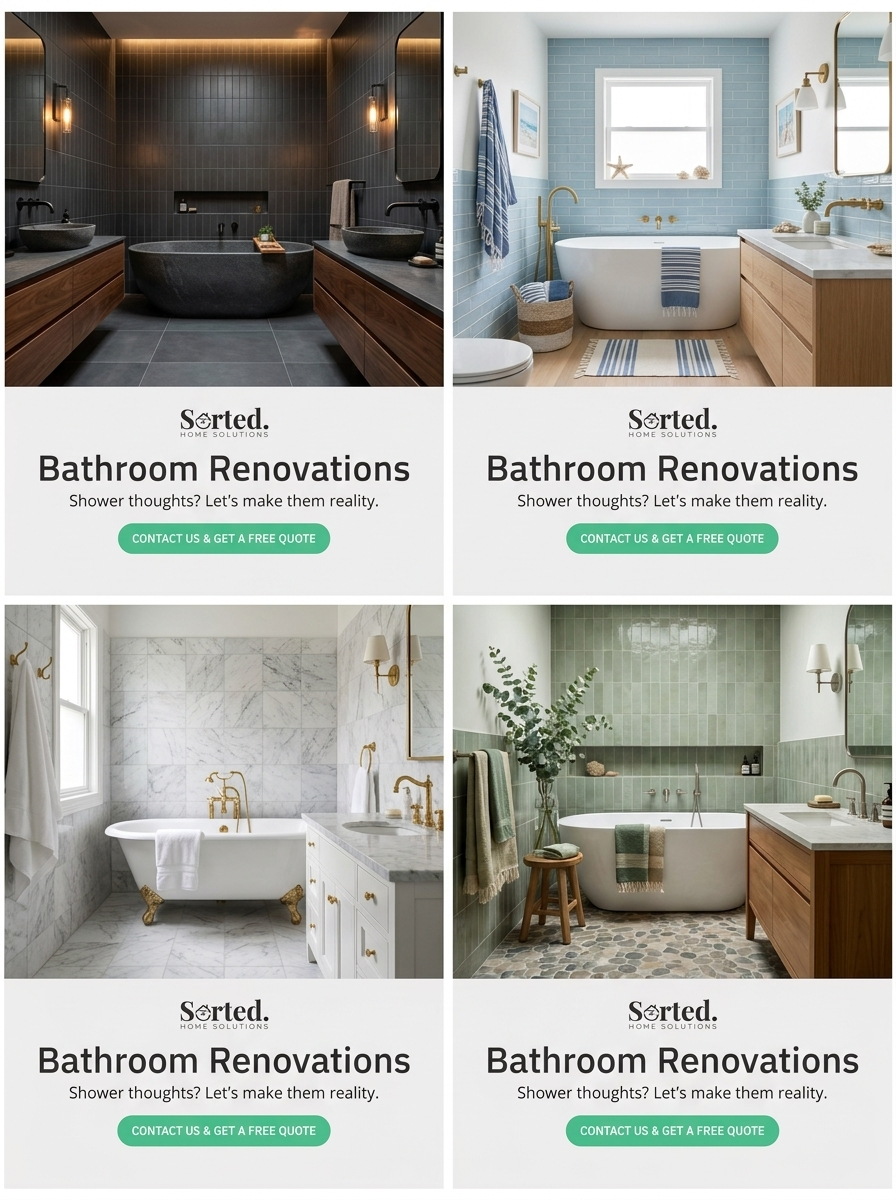
Our Kitchen Grade A, Grade B and Grade C packages cover everything from a straightforward appliance swap to a full cabinetry rework, with council-registered trades handling the compliance side so you do not have to. If you are planning a kitchen change and want it done without the back-and-forth, our pricing page is the place to start.
FAQ
What are the disadvantages of having a built-in oven?
A built-in oven generally costs more to install because it often requires hardwiring by a licensed electrician and sometimes cabinetry reinforcement. It is also less portable: if you move house, you leave it behind rather than taking it with you.
Is a freestanding oven better than a wall oven?
Neither is universally better. Consumer NZ testing found that performance depends more on features like convection and self-cleaning than on whether the oven is built in or freestanding, so the right choice depends on your budget, layout and cooking habits.
What are the common problems with inbuilt ovens?
The most common issues are cut-out mismatches, where the new oven does not fit the existing cabinetry, and underestimating the electrical work needed for hardwiring. Heat exposure to surrounding cabinetry during self-clean cycles is another point worth checking before installation.
Is a built-in oven worth it?
A built-in oven is worth it if you value an integrated look, ergonomic height placement and are not planning to move the appliance later. For households that roast large meals or bake on multiple shelves, a wider built-in model can also offer more usable capacity than a standard freestanding unit.
Sources
Recommended
Comments