

NZ Tile Installation Costs: $70–$200/m², Plus NZBC E3 Rules


Tile installation in New Zealand typically costs between $70 and $140 per square metre for labour only, or $85 to $200 per square metre once common adhesives and grout are included, with most tilers charging $55 to $95 per hour for standalone jobs, according to market data on NZ tiler rates. These figures usually cover labour, basic fixing materials and waste from offcuts, but exclude tile supply, waterproofing membranes and substrate repairs. The sample jobs and compliance notes below will help you estimate a realistic total for your project based on typical industry ranges.
TL;DR:
A small bathroom with a standard floor and simple shower typically costs $3,500 to $8,000, with tile choice and membrane replacement driving the total.
A tiled shower alone often costs $2,000 to $4,500 because membrane application, corner detailing, and waterproofing upturns add labor despite the compact tiled area.
Require an on site measure, itemized labor and materials, separate waterproofing and preparation costs, and clear GST treatment; use a conditional quote for hidden damage.
Wet areas must meet Building Code clause E3, and membrane and adhesive compatibility, coat count, and curing time can affect both cost and schedule.
Table of Contents
Typical cost ranges: hourly rates and per-square-metre pricing
Entry-level tilers in New Zealand tend to sit at the lower end of the hourly scale, while experienced tradespeople working on complex layouts charge more. Reported rates across job posts and trades platforms generally fall between $55 and $95 per hour, with labour-only area pricing running from $70 to $140 per square metre, according to industry reporting on tiling costs. These numbers shift once you add the tiles themselves.
Ceramic tiles sit at the cheaper end of the materials budget, porcelain costs more but handles wet areas and high traffic better, and natural stone or mosaic tiles usually add the most to your total because they take longer to lay and often cost more per square metre to buy. Mosaics in particular slow a tiler down since each small piece needs individual placement and grout lines multiply.
Quotes in New Zealand should state clearly whether GST is included. A tradesperson quoting $100 per square metre plus GST charges a different final amount to one quoting $100 per square metre inclusive, so always ask before comparing two quotes side by side.
A typical bathroom retiling job in Auckland can land anywhere from $3,000 to $9,000 once materials, waterproofing and labour are combined, depending on size and tile choice, based on the pricing patterns seen across NZ job quotes.
Common line items you’ll see on a tiling quote include:
Labour charged per square metre or per hour, depending on job size
Tile and adhesive supply, often quoted separately from labour
Waterproofing membrane application for wet areas
Waste removal and disposal of old tiles or substrate material
GST, stated as included or additional to the quoted price
What affects the quote: the main cost drivers
A handful of job-specific factors explain why two seemingly similar tiling jobs can come back with very different quotes.
Tile size and pattern complexity: Large-format tiles cover more area per piece and can speed up a straightforward floor, but they need a flatter substrate and more careful handling, while mosaics and herringbone patterns slow labour considerably.
Substrate condition: Removing old tiles, levelling an uneven floor or replacing damaged sheet flooring adds hours before a single new tile goes down.
Waterproofing requirements: Wet areas need a compliant membrane system, and compatibility between the membrane and adhesive affects both material cost and how long the job takes to cure.
Access and waste removal: Tight stairwells, apartment lifts or restricted parking can add time, and skip bins or tip fees for old tile and substrate material are a real cost most homeowners forget to budget for.
Site-specific conditions: Tiling over a timber floor usually requires an impervious underlay or decoupling membrane, which costs more than tiling directly onto a concrete slab.
Pro Tip: Ask your tiler to inspect the substrate before quoting a fixed price, since hidden damage under old tiles is one of the most common reasons a job runs over budget.
Typical job examples and sample budgets
Seeing a few worked examples makes the ranges above easier to apply to your own project.
Small bathroom (floor plus a simple shower): A modest bathroom with standard-sized tiles might land between $3,500 at the low end and $8,000 at the high end, depending on tile choice and whether the shower needs a full membrane replacement.
Tiled shower only: Expect a higher per-square-metre rate than a floor job because of membrane application, corner detailing and waterproofing upturns, which push smaller shower jobs toward $2,000 to $4,500 even though the tiled area is compact.
Kitchen splashback: A small area, often under 3 square metres, but intricate cuts around power points and benchtops mean labour cost per square metre runs higher than a floor, commonly $800 to $1,800 for a full splashback.
Floor-only living area: Larger open areas benefit from economies of scale, so a straightforward living room or hallway floor often lands closer to the lower end of the $70 to $140 per square metre labour range.
How to read, compare and question tiling quotes
A proper quote should answer most of your questions before you ask them. Use this checklist when comparing offers from different tilers.
Confirm an on-site measure happened: A quote based on your verbal description of room size is far less reliable than one based on a tradesperson measuring the space themselves.
Check for itemised labour and materials: A single flat number with no breakdown makes it hard to know what you’re actually paying for or to compare against another quote.
Look for waterproofing and substrate prep as separate line items: These are the areas most likely to change once work starts, so they deserve their own mention.
Ask about timeline and warranty terms: A realistic completion date and a stated workmanship warranty both signal a tradesperson who stands behind the job.
Treat vague scope as a red flag: Phrases like “tiling as required” without square metre figures or membrane specifications leave too much room for later cost increases.
Where genuine unknowns exist, such as a substrate you can’t inspect until old tiles come up, ask for a staged or conditional quote that states what triggers extra cost.
Compliance and quality: NZ building rules for wet areas and why they affect cost

Wet areas in New Zealand homes must meet Building Code clause E3, which requires finishes to be impervious to moisture and easy to clean. BRANZ BU591 sets out best-practice guidance for waterproofing tiled showers, covering membrane selection and application.
Membrane and adhesive compatibility matters too: some membrane systems need multiple coats and longer cure times, while faster-curing systems can cost more in materials, according to the code of practice for wet-area membrane systems.
Incorrect substrate preparation or a missing continuous membrane under tiles can lead to non-compliance with E3 and costly remedial work.
Larger bathroom alterations may also require building consent and inspection, so check with your local council before work begins.
Why many homeowners choose a full-service renovator for tiling
A fixed-fee renovation contract tends to avoid the surprise costs that come from discovering a damaged timber substrate or an old, incompatible membrane once tiles are already lifted. These problems are common in older New Zealand homes, and a project manager who checks substrate condition and compliance before quoting can price the job accurately the first time, rather than issuing variations partway through.
— Rudi
Sorted Home Solutions: how to get a reliable tiling quote
We manage tiling as part of our bathroom renovation packages and full renovation projects, so you deal with one point of contact instead of coordinating a tiler, plumber and waterproofer separately. We check substrate condition and waterproofing compliance at the initial site measure, before issuing a quote, so the price you agree to reflects the actual job rather than a rough estimate.
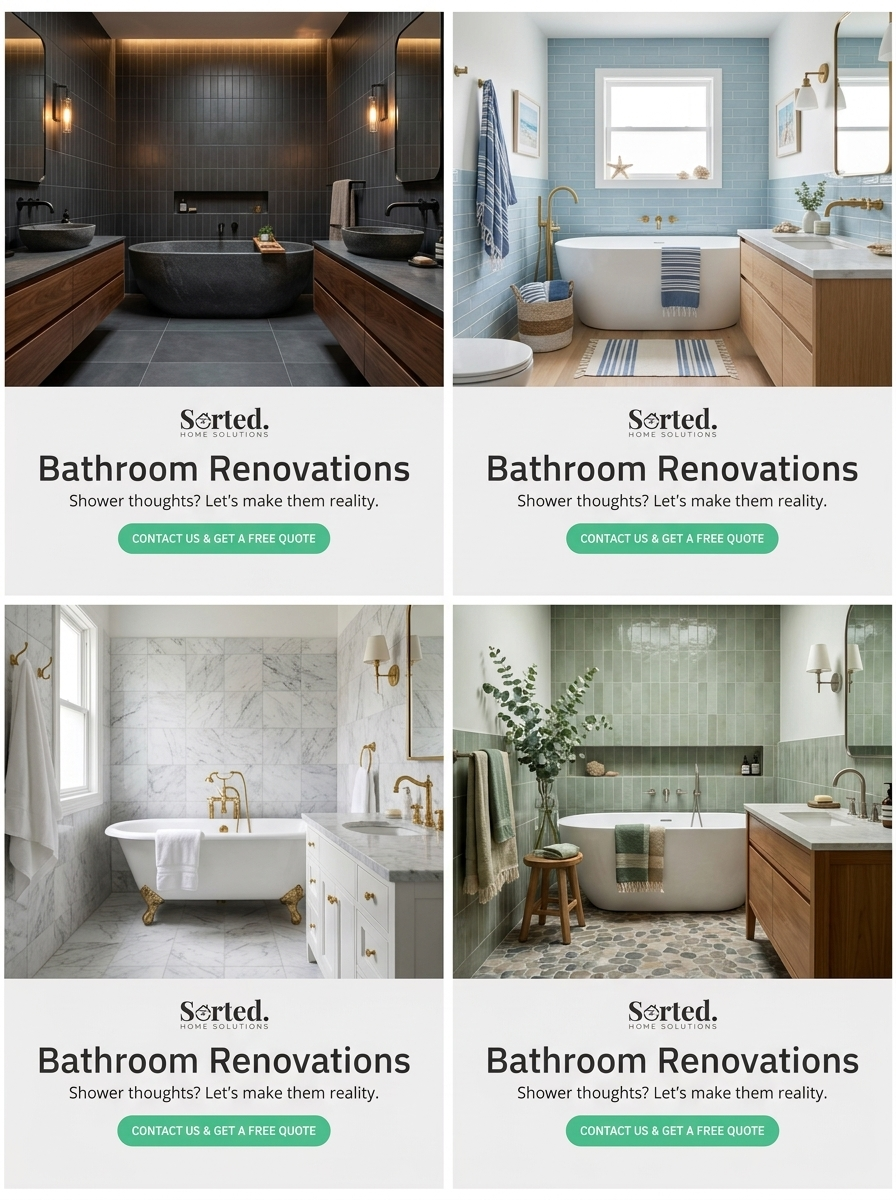
What you can expect when you get in touch with us:
A site measure that identifies substrate condition, waterproofing needs and tile layout before pricing
An itemised quote covering labour, materials, waterproofing and waste removal
Project management across tiling, plumbing and any other trades the job needs
A service guarantee backing the finished work
See our pricing packages for bathroom and kitchen grades, or get in touch through our enquiry page to arrange a site measure for your tiling job.
FAQ
What is the average hourly rate for a tiler in NZ?
Most tilers in New Zealand charge between $55 and $95 per hour, according to industry rate reporting. The exact rate depends on experience, location and whether the job involves complex cuts or patterns.
How much does it cost to tile a bathroom in NZ?
A small bathroom with a standard floor and simple shower typically costs between $3,500 and $8,000 once labour, tiles and waterproofing are included. Larger bathrooms, feature tiles or extensive waterproofing work push the total toward the higher end of that range.
How much does it cost to tile a shower?
A tiled shower alone, including the required waterproof membrane, often costs between $2,000 and $4,500 even though the tiled area is small. Corner detailing, upturns and membrane compliance under BRANZ BU591 add labour time relative to a simple floor.
How long does tiling usually take?
A small bathroom typically takes a tiler two to five working days, including substrate prep, waterproofing cure time and tiling itself. Larger jobs or those needing extensive substrate repair or multi-coat membrane systems take longer, since some membranes need extended cure periods before tiling can start.
Should I get an independent inspection report for my tiling job?
An independent tile inspection report can cost in the order of about $1,840 for Tile Association of New Zealand members and $2,400 for non-members, according to TANZ. This is generally worth considering for larger or disputed jobs rather than a standard small bathroom retile.
Sources
Recommended
Comments