

Kitchen Benchtop Materials for NZ Homes: Check 0.05 mg/m³ Silica Rules

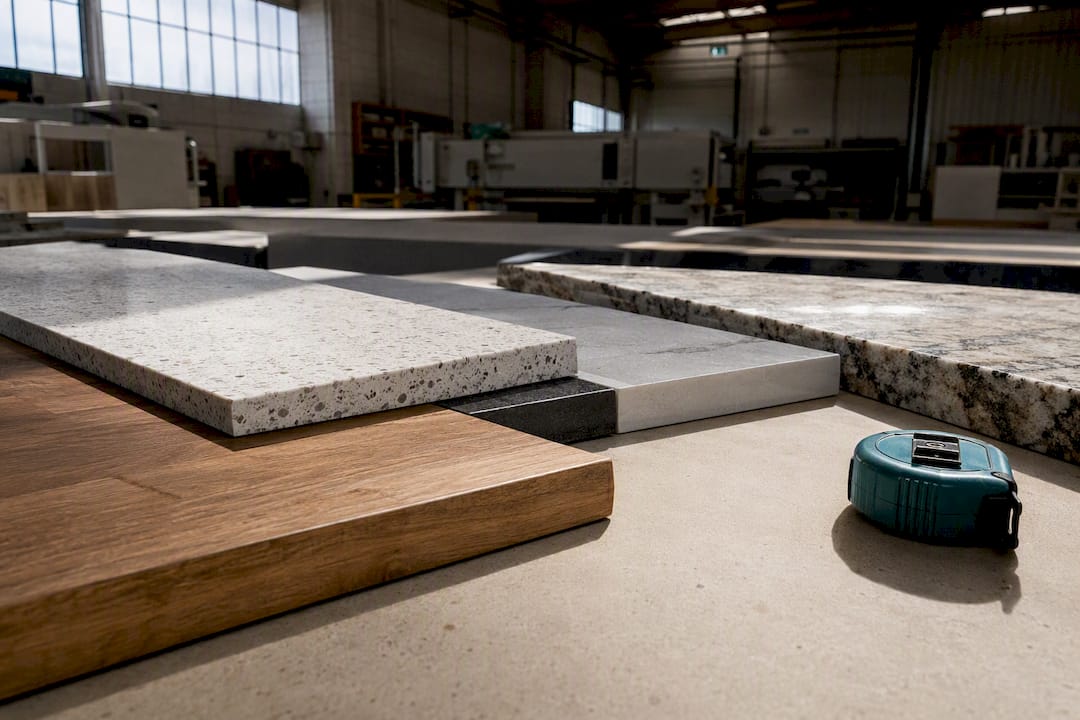
Engineered stone and porcelain lead the field for most New Zealand kitchens, thanks to a rare mix of durability and low upkeep, while laminate suits tighter budgets and timber suits homeowners who want warmth and character. Engineered stone carries a serious fabrication safety issue involving silica dust, so professional installation from an accredited fabricator isn’t optional. The right pick depends on your household traffic, budget, and how much maintenance you’re willing to do.
TL;DR:
Homeowners should prioritize safety by ensuring fabricators use wet cutting, local exhaust ventilation, HEPA vacuums, and proper dust disposal when installing engineered stone.
The safest and lowest-maintenance options are porcelain and sintered stone, which avoid silica dust risks and withstand high heat and UV exposure.
Natural stones like marble and granite require regular sealing and resealing to maintain stain resistance and durability, especially with frequent hot pot use.
Budget and household traffic determine whether laminate, compact laminate, engineered stone, or more premium materials fit best for a kitchen upgrade.
Choosing the right benchtop involves assessing use, safety, and installation quality, with professional coordination essential for avoiding costly mistakes.
Table of Contents
What are the main kitchen benchtop materials to consider?
Nine materials dominate the New Zealand market, and each solves a different problem. Getting your head around what each one does well (and where it falls short) is the fastest way to narrow a long list down to two or three real contenders.
Laminate – the budget workhorse; light on the wallet, weak against heat and knives.
Compact laminate – a denser, through-colour laminate with far better heat and impact resistance.
Engineered stone (quartz) – near-indestructible surface, but fabrication involves serious silica risk.
Porcelain – extremely heat and UV resistant, silica-free once installed, premium price.
Sintered stone (Dekton-type) – similar profile to porcelain, built for outdoor and high-heat zones too.
Granite – natural stone with real heat resistance, needs periodic sealing.
Marble – the most striking natural stone, but soft and porous.
Timber/butcher block – warm and repairable, but needs regular oiling.
Concrete – highly customisable, heavy, and prone to hairline cracking.
Stainless steel – hygienic and heatproof, shows scratches and fingerprints readily.
Most stone and sintered products need a qualified fabricator for templating and cutting. Laminate and timber are the only realistic DIY options, and even then, professional installation gets you a straighter, tighter finish.
How do the materials compare on durability, maintenance, and price?
Each material asks something different of you, whether that’s your wallet up front or your elbow grease down the track. Here’s how the main contenders stack up against the four things homeowners actually care about.
Material | Durability | Maintenance | Heat resistance | Typical NZ price band |
Laminate | Moderate; chips at edges | Wipe clean, no sealing | Poor, scorches easily | Low |
Compact laminate | High, dense and impact resistant | Low, occasional wipe down | Good | Low to moderate |
Engineered stone | Very high, scratch resistant | Low, no sealing needed | Moderate, avoid direct hot pans | Moderate to high |
Porcelain | Very high | Very low | Excellent | High |
Sintered stone | Very high | Very low | Excellent | High |
Granite | High | Periodic sealing | High | Moderate to high |
Marble | Moderate, prone to staining | Regular sealing | Moderate | High |
Timber | Moderate, repairable | Regular oiling | Poor | Moderate |
Concrete | Moderate, can hairline crack | Periodic sealing | High | Moderate to high |
Stainless steel | High, dents rather than chips | Low, shows marks | Excellent | Moderate to high |
Laminate remains the entry point for a reason. It’s light on cost and comes in hundreds of colours and patterns, but a hot pan or a dragged knife will leave permanent damage, and the visible seam where two sheets meet is a giveaway on longer runs, as Bunnings’ benchtop guide points out. It’s best for rental flips or a first-home kitchen where budget outranks longevity.
Compact laminate is the upgrade path. It’s a solid, through-coloured sheet rather than a laminated skin, so chips don’t reveal a different colour underneath, and it handles hot cookware far better than standard laminate.
Engineered stone still dominates mid to premium kitchens because it resists scratching, doesn’t need sealing, and comes in consistent, factory-controlled patterns. The trade-off sits in fabrication, not use. Once installed, it’s one of the lowest-maintenance surfaces available. Just avoid resting hot pans directly on it.
Porcelain and sintered stone are the fastest-growing category in New Zealand kitchens, and it’s easy to see why. They shrug off heat, resist UV fading (useful near a north-facing window), and carry no ongoing silica concern once fabricated and installed, since the finished slab is fused and largely inert. The premium price reflects specialist cutting equipment and a thinner, more brittle slab that demands careful handling during transport and templating.
Granite still earns its keep in kitchens where a heavy stockpot or hot tray is a daily event, though it needs resealing every year or two to stay stain resistant. Marble is the showpiece choice for an island that isn’t doing heavy food prep. Lemon juice and red wine will etch it, so it suits homeowners who accept a lived-in patina rather than a pristine finish.
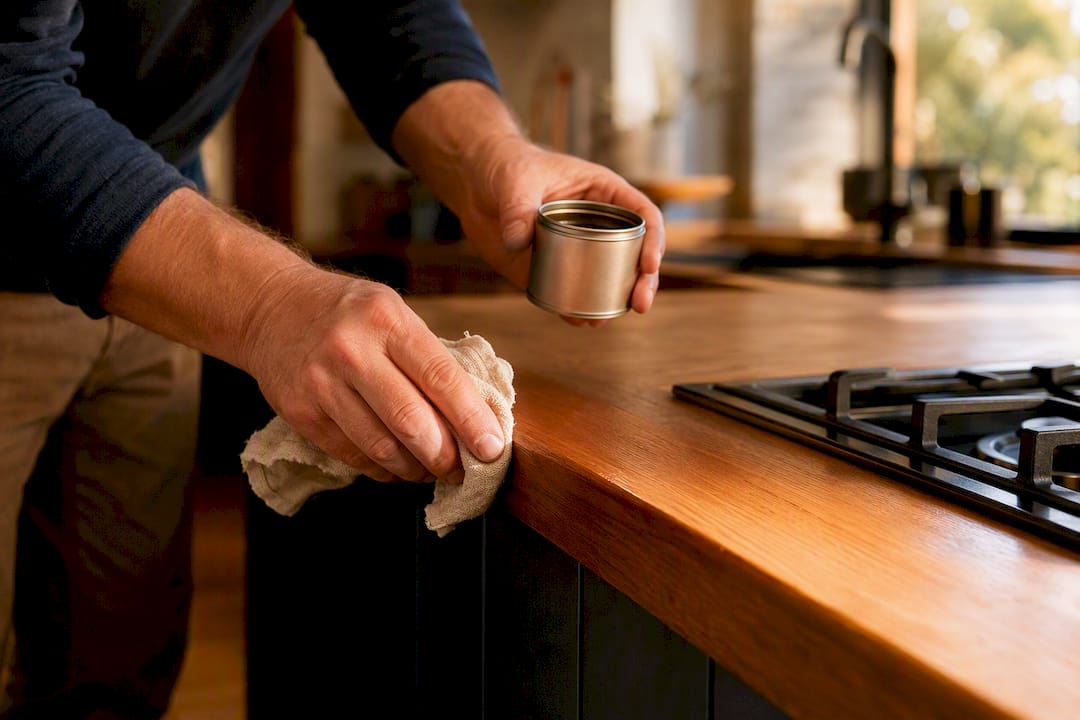
Timber brings warmth no stone slab can match, and scratches sand out rather than becoming permanent. It’s a poor match for a sink surround unless properly sealed, and it needs re-oiling every few months near a cooktop.
Concrete and stainless steel are niche picks. Concrete suits an industrial aesthetic and can be moulded around integrated sinks. Stainless steel is the standard in commercial kitchens for hygiene reasons but shows every fingerprint in a busy household.
Pro Tip: Ask your installer how they finish exposed edges on stone and porcelain benchtops. A polished pencil edge resists chipping far better than a sharp square edge, especially on a busy island bench where kids and trays collide with the corner daily.
Is engineered stone safe, and what should you ask your fabricator?
Engineered stone fabrication carries a genuine health risk that homeowners need to understand before signing off on a supplier. WorkSafe has issued a safety alert on accelerated silicosis, a severe and sometimes fatal lung disease linked to cutting and polishing engineered stone, which typically contains around 90% crystalline silica. The current New Zealand workplace exposure standard for respirable crystalline silica sits at 0.05 mg/m³, and MBIE has consulted on tighter controls, including mandatory licensing and possible import restrictions.
None of this means you should avoid engineered stone. It means you should confirm your fabricator does the job properly. Before booking installation, ask whether they use:
Wet cutting methods to suppress dust at the source
Local exhaust ventilation (LEV) at cutting and grinding stations
H-class HEPA vacuums for dust extraction, as WorkSafe recommends
Accreditation or membership in an industry RCS control programme
Documented health monitoring for their fabrication staff
Proper containment and disposal of silica dust waste
If a supplier can’t answer these clearly, treat that as a warning sign. Porcelain, sintered stone, and compact laminate sidestep the issue almost entirely, since they carry little to no free silica exposure risk during fabrication.
How do you choose the right benchtop for your household?
Match the material to how your kitchen actually gets used, not how it looks in a showroom photo. Run through this checklist with any supplier before committing:
Family traffic – heavy daily use favours engineered stone, porcelain, or sintered stone over marble or laminate.
Budget ceiling – set your total figure first, since benchtop choice often shifts the whole kitchen renovation cost more than any other single fitting.
Heat exposure – if pots regularly land straight from the stove, prioritise porcelain, sintered stone, or granite.
Aesthetic priority – natural stone patterns (marble, granite) can’t be perfectly replicated, so decide early if that matters to you.
Resale value – stone and porcelain benchtops tend to lift buyer perception more than laminate in a comparable kitchen.
Maintenance tolerance – be honest about whether you’ll actually reseal granite or reoil timber on schedule.
Ask suppliers directly about warranty length, lead times for custom fabrication, and how they support cut outs around sinks and cooktops on heavier slabs.
Three quick scenarios: a busy family on a mid budget suits engineered stone or compact laminate. A homeowner chasing a high-end finish with serious cooking demands suits porcelain or sintered stone. A rental or low-budget replacement suits standard laminate.
Pro Tip: Get your benchtop fabrication measurements taken after cabinetry is installed, not before. A gap of even a few millimetres against a custom stone slab means an expensive remake.
Why I recommend treating benchtop choice as a safety decision, not just a style one
Most homeowners spend weeks agonising over colour and pattern, then rush the fabricator conversation in the final week. That’s backwards. The material decision and the safety decision are the same decision, because the two riskiest surfaces to get wrong (engineered stone and marble) are also the two most commonly chosen for their looks alone.
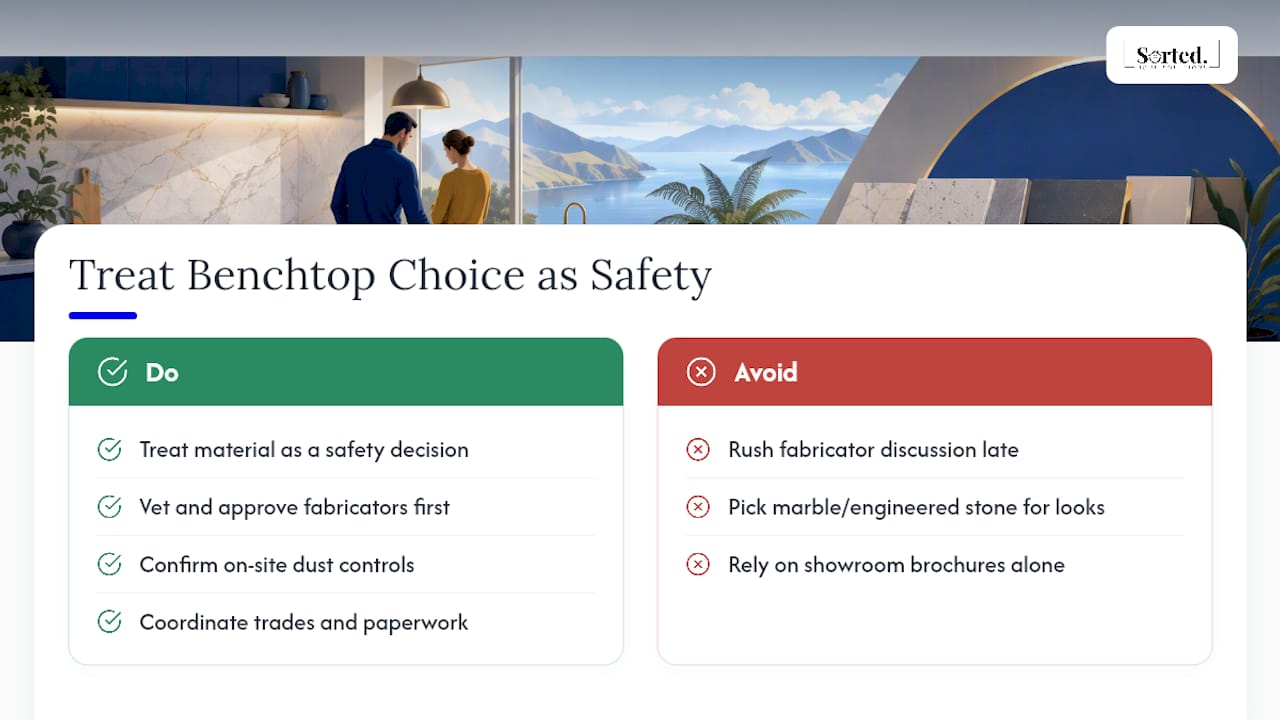
What gets underestimated is how much the fabricator matters more than the brand of stone. Two identical quartz slabs installed by different fabricators carry very different silica exposure outcomes on site, and that’s not something a showroom brochure will tell you.
A renovator earns its place here by managing that risk for you: vetting fabricators, confirming on-site controls, and coordinating the trades around a benchtop install rather than leaving a homeowner to chase compliance paperwork mid-renovation. On one recent Auckland kitchen project, a client arrived wanting marble purely for looks, and ended up with porcelain once the trade-offs around etching and daily use were laid out properly. That’s the value of someone who’s coordinated dozens of these installs asking the right questions before the order goes in.
— Rudi
How Sorted Home Solutions manages your benchtop installation
Choosing a benchtop material is only half the job. Getting it fabricated safely, fitted precisely, and coordinated with your cabinetry, plumbing, and electrical trades is where kitchen projects usually blow their timeline. This whole process is run as one team, so you deal with a single point of contact instead of chasing a stone fabricator, a plumber, and a cabinetmaker separately.

The fabricator relationship is managed directly, confirming they follow proper on-site silica controls before any cutting happens near your home, and the sequencing is handled so your benchtop lands at exactly the right stage of the build. If you’re weighing up engineered stone against porcelain for your own kitchen, check our kitchen and bathroom pricing for typical package ranges, or browse our kitchen renovation gallery to see finished benchtop installations. Ready to talk specifics? Get in touch for a site assessment and we’ll walk you through material options that suit your kitchen and your budget.
Sources
Recommended
Comments